
Water damage and mold can quickly ruin floors with minimal exposure. If you’ve had a recent leak or flood, let Reconstruction Mold Remediation restore your space.
Our flooring services involve an assessment to identify damaged materials, removal of old materials to prevent further issues, and expert installation tailored to your space. As a trusted construction and remediation specialist, we’re here to facilitate your recovery.
Call (609) 336-1253 to get your floors back to what they should be.
Schedule a Floor Replacement
When Do You Need New Flooring After a Mold Problem?
Floors, even some moisture-resistant ones, absorb water in a flood, causing mold to spread. As the subfloor retains that moisture, it can swell and weaken, which leads to lifting, buckling, and soft areas. Any aesthetic properties instantly vanish, but that’s not the only problem. The instability underfoot is often dangerous and typically worsens with time.
New flooring is the right move in the aftermath of most floods, but if you manage to respond quickly to a leak or a spill, it might not be necessary. It comes down to what’s beneath. If moisture is lingering in the subfloor and mold growth is significant, repair options are limited, and replacement becomes the safer and more effective solution.
How Do You Know if You Have Moldy Flooring?
Imagine you come home to find water pooled on the kitchen floor. You quickly cover the surface in towels and mop up the rest. Days go by, and you start to smell something earthy and sour. It’s hard to place, but it’s persistent and lingers even after you clean.
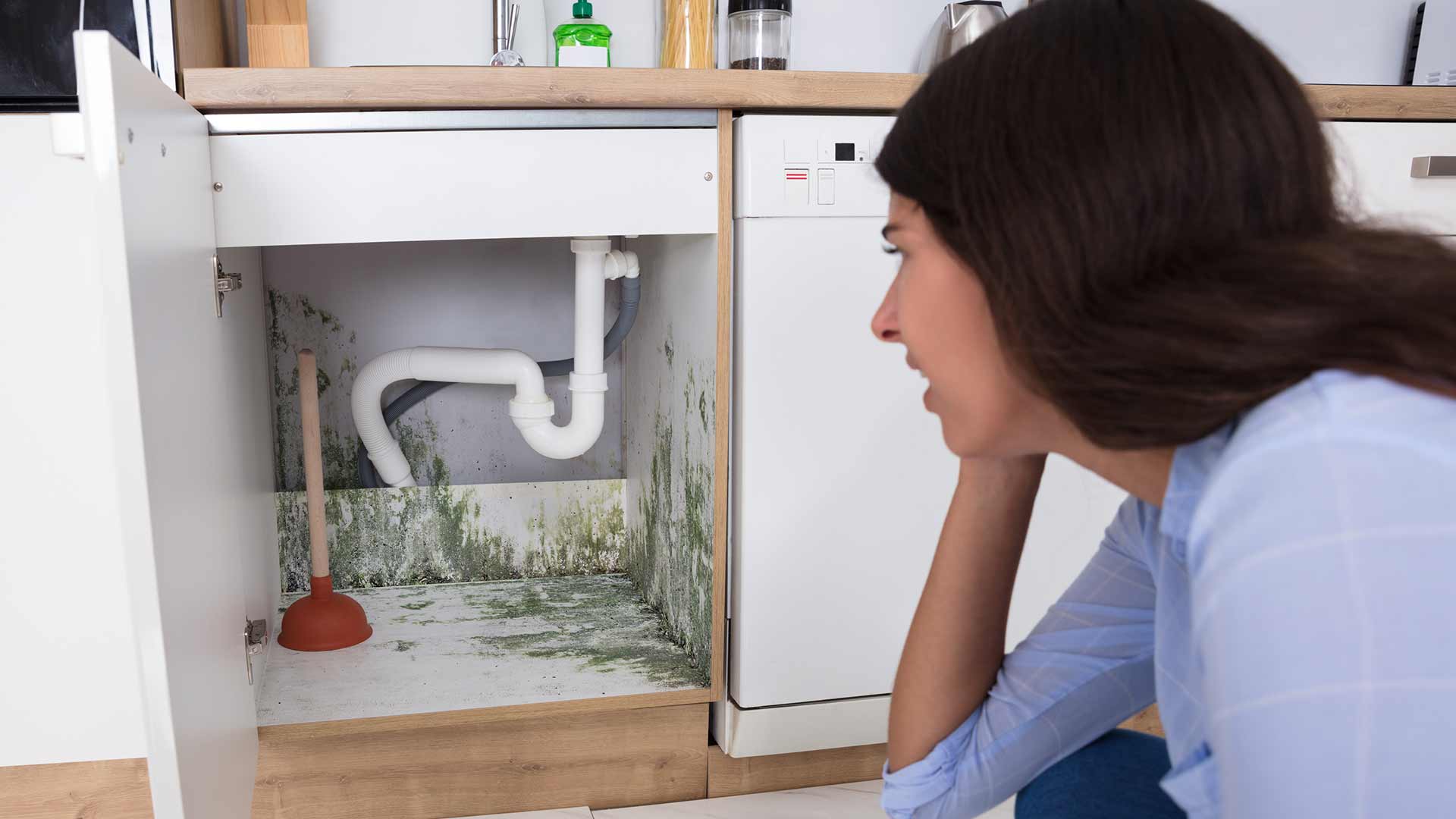
That would be a clear sign of mold, but moldy flooring isn’t always so noticeable. The floor might even feel solid and otherwise look normal. However, you can’t assume that without obvious indicators, you’re in the clear.
Here are a few signs besides smell that indicate mold growth:
Is a Partial Floor Replacement Ever an Option?
If you’re trying to stay within a tighter budget, you might hope that only a partial floor replacement is necessary.
In some cases, it’s possible, especially if the material is still available and the damage is clearly contained. However, these partials are rarely simple. Floors age and wear at different rates depending on use and exposure. Even if the new section fits physically, it may stand out in finish or feel. When continuity can’t be achieved, a full replacement is better.
Reconstruction Mold Remediation’s Flooring Solutions
We’re here to address flooring that’s no longer reliable and doesn’t reflect the condition your space deserves. The aim of every project is to restore stable performance with better material and expert installation.
Our flooring solutions include:
How Do You Choose the Right Flooring Material?
Motivations for a replacement aside, your choice of flooring material is an opportunity to upgrade the visual and performance quality.
If the damage has exposed limitations, such as difficult maintenance or a short lifespan, it may be time to pivot. In this case, we’ll look at how the original material failed and where the space is most likely to wear to help narrow your options. For instance, swapping wood-look laminate for luxury vinyl can reduce the risk of future swelling in a kitchen or laundry room.
However, you could choose the same material as what was removed, which is common if it’s a newer installation or part of a larger matching layout. It’s also ideal if there’s no need to improve moisture protection or durability. In this case, we’ll simply source the closest match.
What’s the Best Flooring To Prevent Mold?
If you're replacing flooring due to mold, it makes sense to want to choose something that discourages the same future problem.
Some materials manage moisture better than others. Porcelain tile, sealed concrete, and certain types of vinyl are all well-suited for areas where water is a risk. These surfaces are nonporous, don’t trap humidity, and are easier to dry quickly. In contrast, materials like fiberboard-based laminates tend to be riskier if your goal is enhanced protection.
Whether you have something in mind already or you’re still exploring, we can walk through the material’s strengths in context and help you weigh it against other options.
Should You Include Flooring in Your Home Remodel?
If your remediation strategy warrants a wide scope home remodel, the flooring should be included. However, you need to consider how the flooring should look and feel when you have multiple elements getting replaced or repaired. It could change how the space comes together visually and how the overall layout functions.
Know that if you leave flooring out of the equation, you risk leaving damage behind and imposing limitations on the design of the finished space. You won’t save by working around material that’s rapidly degrading. If you’re painting walls and replacing fixtures, the floor is a framing element, so if it’s worn or warped, it’ll hold back the entire project.
How a Mold Inspection Determines Flooring Needs
Before you even think about new flooring, you need to know what you’re dealing with. How extensive is the mold problem? What will remediation involve? With these questions answered, you can put your floors in the context of the larger recovery effort.
Here’s what the mold inspection involves as it concerns flooring:
We’re available 24/7, so you can schedule your inspection as urgently as the situation warrants. We’ll work quickly to provide recommendations with a free quote. From there, we’ll help you plan the flooring response and any related, necessary repairs.

Reach Out for Expert Flooring Installation
A fast response to flooring damage is critical for your safety and comfort. You can trust Reconstruction Mold Remediation to plan and execute your flooring installation, whether it’s an isolated replacement or part of a larger restoration.
Looking for flooring services? Contact us at (609) 336-1253.
Interested in our services?
Get in touch with us