
Mold Inspections in Belle Mead
It’s not the damage you can see that causes the most stress. It’s what you can’t. When moisture seeps behind your walls or under your floors, it can lead to hidden problems that quietly worsen over time. Reconstruction Mold Remediation offers mold inspections in Belle Mead that help homeowners and property managers uncover the source, understand what’s happening, and decide what to do next.
If something feels off in your space, call (609) 336-1253 today to get the clarity you need.
Speak With a Mold InspectorWhat Can Undetected Mold Do?
Undetected mold can lead to gradual but significant deterioration of building materials. Over time, it may compromise the integrity of drywall, flooring, substructures, and insulation, increasing the risk of long-term structural damage. In addition to physical decay, exposure can affect indoor environmental quality by introducing airborne contaminants that impact occupant well-being. Addressing the problem early allows property owners to minimize damage, preserve building systems, and maintain a healthier indoor environment overall.
Reconstruction Mold Remediation’s Mold Inspection Services
Reconstruction Mold Remediation’s mold inspection services are comprehensive and designed to uncover both visible and hidden issues throughout your property.
Here’s what’s included:
- Visual assessment of interior and exterior areas
- Use of moisture meters or thermal imaging tools
- Evaluation of ventilation and humidity conditions
- Review of property history and occupant concerns
- Clear summary of findings and recommended next steps
We tailor each inspection to your specific needs, giving you the clarity to take action with confidence.
When Should You Get a Mold Assessment?
Mold assessments are especially important after events or conditions that increase the risk of hidden moisture. If your property has experienced flooding, plumbing leaks, or roof damage, scheduling an assessment can help identify the issue before it spreads. Renovation projects, particularly those involving drywall or flooring, may disturb existing or expose previously concealed growth. It’s also a good idea to schedule an inspection during real estate transactions, as both buyers and sellers benefit from confirming the property's condition.
What Are Common Signs of Mold Growth?
Mold growth can develop quietly in areas with poor ventilation, excess moisture, or hidden water damage. Recognizing the early signs can help prevent more serious structural or health issues.
Common indicators include:
- Musty or earthy odors coming from walls, basements, or enclosed areas
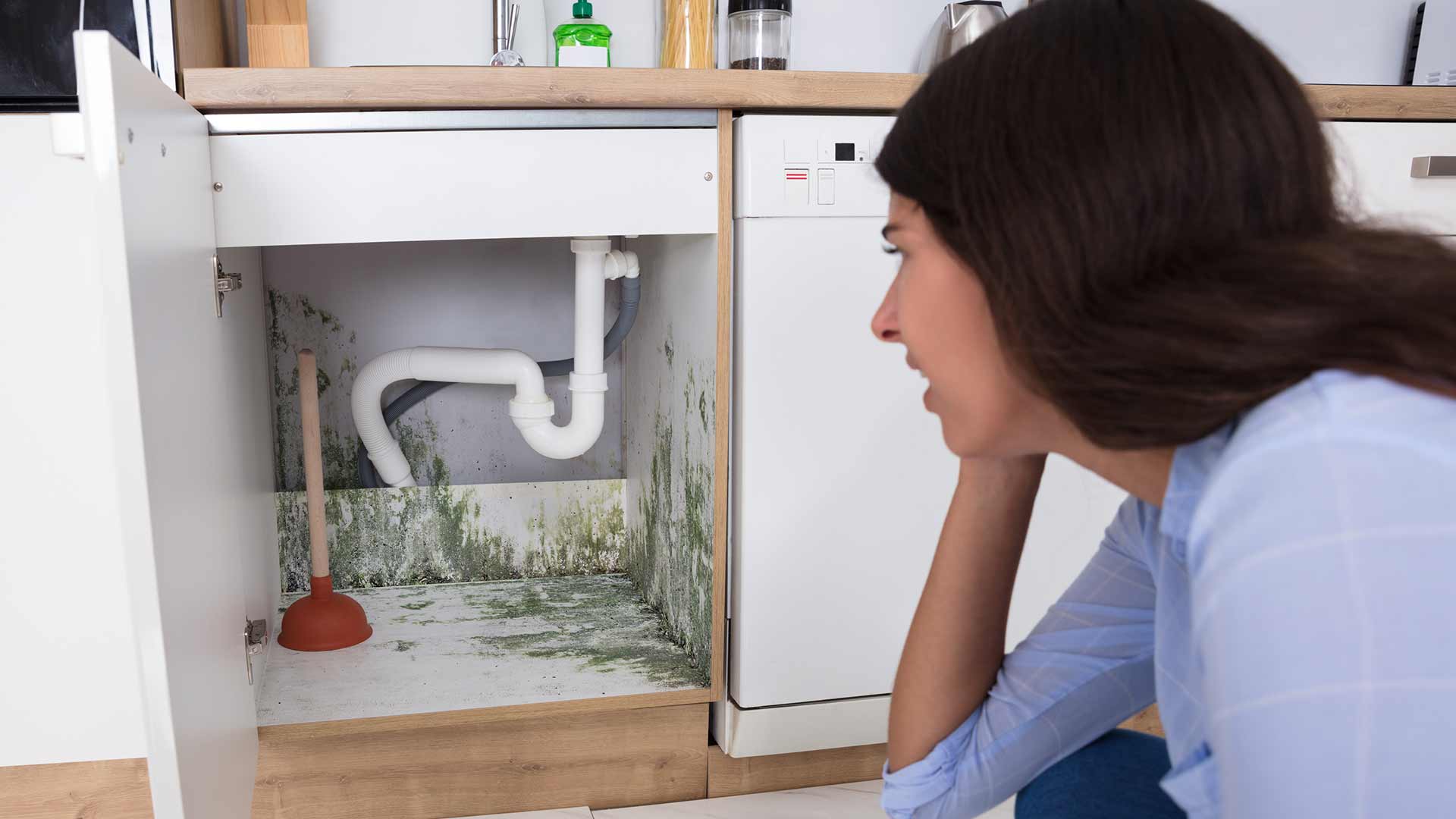
- Visible patches of mold in black, green, or white on surfaces
- Peeling or bubbling paint or wallpaper caused by underlying moisture
- Frequent allergy-like symptoms, such as coughing, sneezing, or watery eyes
- Evidence of recent water intrusion, like leaks, flooding, or high humidity
If you notice any of these signs, it’s important to take action early to avoid further damage or potential health risks.
What Should You Expect From the Mold Inspection Process?
During the mold inspection process, we begin with a visual assessment of key areas throughout your property. We look for signs of water damage, visible growth, and ventilation issues that could contribute to moisture problems. Using moisture meters or thermal imaging tools, we check behind walls, under flooring, and inside ceilings for hidden dampness. We may also ask about any past leaks, flooding, or indoor odors you've noticed. If necessary, we can conduct testing to confirm the presence and extent of contamination. Once the assessment is complete, we'll explain what we found and recommend next steps based on the current conditions in your home or building.
What Happens During Mold Testing?
If we determine that mold testing is necessary, we’ll begin by identifying the areas of concern based on what we observed during the inspection. We’ll take careful samples from those areas to help verify whether growth is present and to what extent. All samples are handled using proper safety protocols to ensure accuracy and prevent cross-contamination. Once testing is complete, the samples are sent to a certified lab for analysis. When the results are ready, we’ll review them with you in detail and explain what they mean for your property, along with any recommended actions moving forward.
Where Should You Test for Mold?
You should test for mold in areas where moisture builds up or ventilation is limited, even if there are no visible signs.
Common problem spots include
- Basements and crawl spaces
- Bathrooms and kitchens
- Attics with past or current leaks
- Around windows, sinks, and plumbing lines
- Inside HVAC systems and air ducts
These locations often trap humidity or hide water damage, creating the perfect environment for mold growth. We’ll help determine which areas need the most attention based on the conditions we find during your inspection.
What Types of Mold Tests Are Performed?
We typically perform three main types of mold tests, depending on your property’s conditions and the areas of concern. Air sampling is used to detect mold spores in the air, especially when there’s no visible growth but symptoms or odors are present. Surface sampling involves swabbing or tape-lifting visible growth to determine the type and concentration of spores. Bulk sampling may be done by removing small sections of affected materials, such as drywall or insulation, for lab analysis.
These tests are conducted in accordance with strict safety protocols, and all samples are sent to a certified laboratory for professional evaluation.
How Much Do Mold Inspections Cost?
The cost of a mold inspection depends on several factors.
Key factors include:
- Property size and layout: Larger or more complex spaces may require more time and resources to inspect thoroughly.
- Scope of the inspection: Inspections that involve multiple areas or full-property assessments can take longer to complete.
- Mold testing requirements: The need for air or surface sampling adds to the cost due to lab analysis and handling.
- Accessibility challenges: Hard-to-reach areas like crawl spaces or high ceilings may affect the time and effort involved.
- Reporting needs: A basic summary is standard, but detailed documentation for real estate or insurance purposes may involve additional preparation.
We’ll review your specific situation and provide a clear, upfront estimate before any work begins.
Request a Mold Evaluation Today
When moisture concerns arise, it’s important to understand what’s happening inside your property. Reconstruction Mold Remediation’s team provides detailed evaluations and clear next steps to help you move forward with confidence. Whether you’re addressing recent damage or planning ahead, our team is here to support you with honest service and expert guidance.
Looking for mold inspections in Belle Mead? Contact us at (609) 336-1253.
Interested in our services?
Get in touch with us